Website Security Incident Report: lavenderproperties.co.ke
How the company website was compromised, what was found, and the steps to clean and secure it.
1. Summary
On 16 September 2026, attackers gained file access to the company website and used it to publish Indonesian gambling advertisements on 32 of our page addresses, including About Us, Airbnb, Karen, Services and Terms & Conditions. They also planted a hidden backdoor in the site's main configuration file, which gives them a way back in even if the spam pages are deleted.
The spam is mainly shown to search engines, which is why it went unnoticed by staff. I identified it on 23 November 2026 while reviewing the website for improvements, the same day I received WordPress access.
2. Timeline of events
All times are Nairobi time, taken from the file dates on the web server. File dates can be altered by attackers, so the hosting company's server logs are needed to confirm them (see section 6).
unzip_other.phpmaster.zipwp-config.php/home/lavender/ssl/ssl.db.bk, every time any page on the website loads. The name is disguised to look like an SSL backup. Because this file sits outside the website folder, it survives a normal cleanup.google87a68b9631c4c7df.htmlseonaga.php) paired a list of our page addresses (dir.txt) with a list of gambling brands (naga.txt) and wrote a spam page into a folder for each. About Us was paired with the brand "ALEXIS17". The attackers also replaced robots.txt and sitemap.xml to push these pages to Google.3. How the attack worked, in plain terms
- Getting in. The attackers most likely used the KodExplorer file manager that had been left in the website folder since March 2026. A public file manager is like leaving a spare office key under the doormat.
- Staying in. They added a hidden line to the website's configuration file so their own code runs every time the site loads. This is a backdoor.
- Using our reputation. They created fake folders with the same names as our real pages. The server shows the fake folder instead of our real page. The spam borrows our domain's trust with Google to promote gambling websites. Security firms report this as one of the most common website attacks today; Lavender was not specifically targeted.
- Staying hidden. The spam is shown mainly to search engines, so staff browsing the site normally would not notice it.
4. Evidence
Click any box to attach a screenshot. Attached images appear in the printed or PDF copy; empty boxes are hidden when printing.
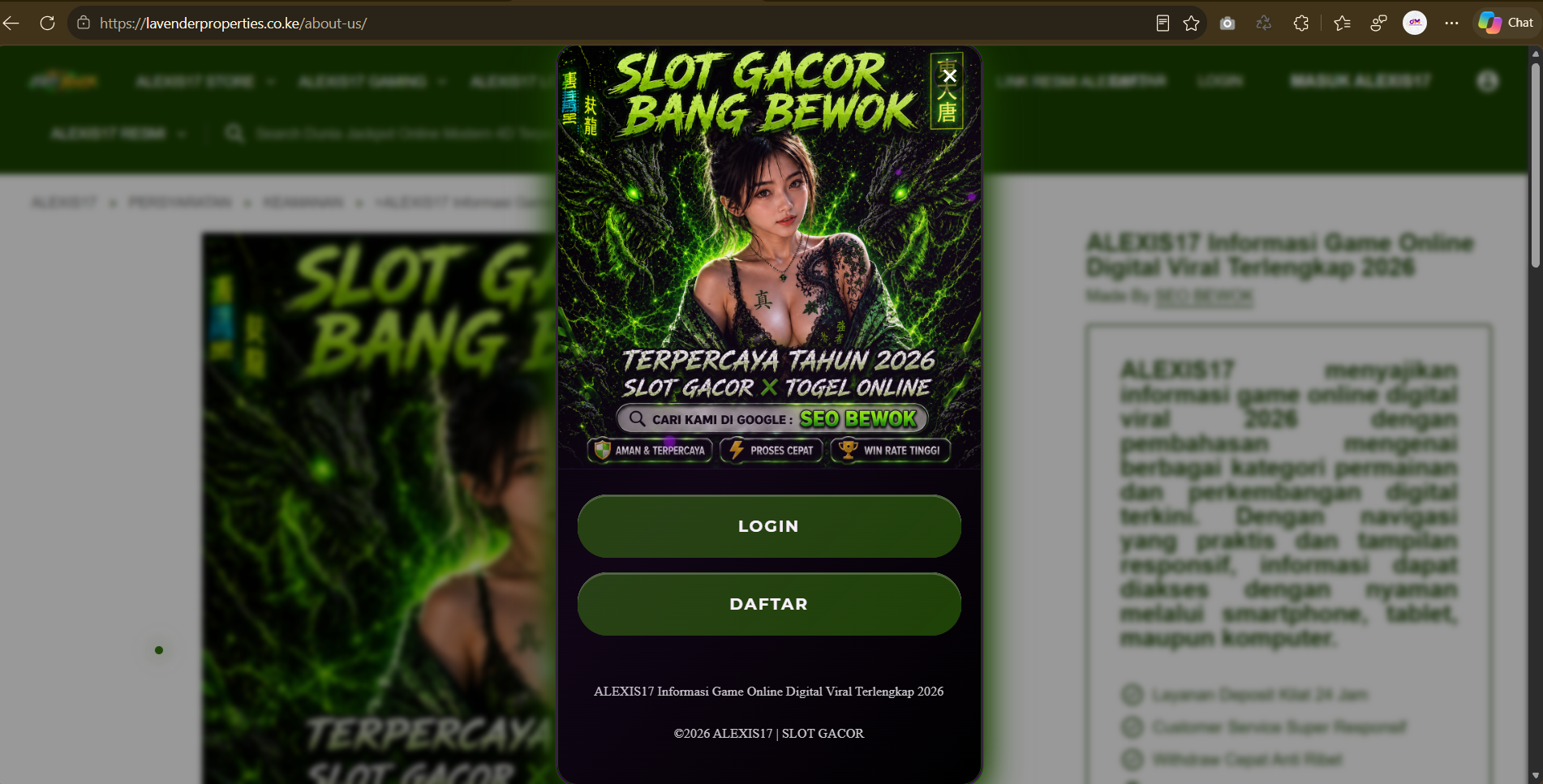
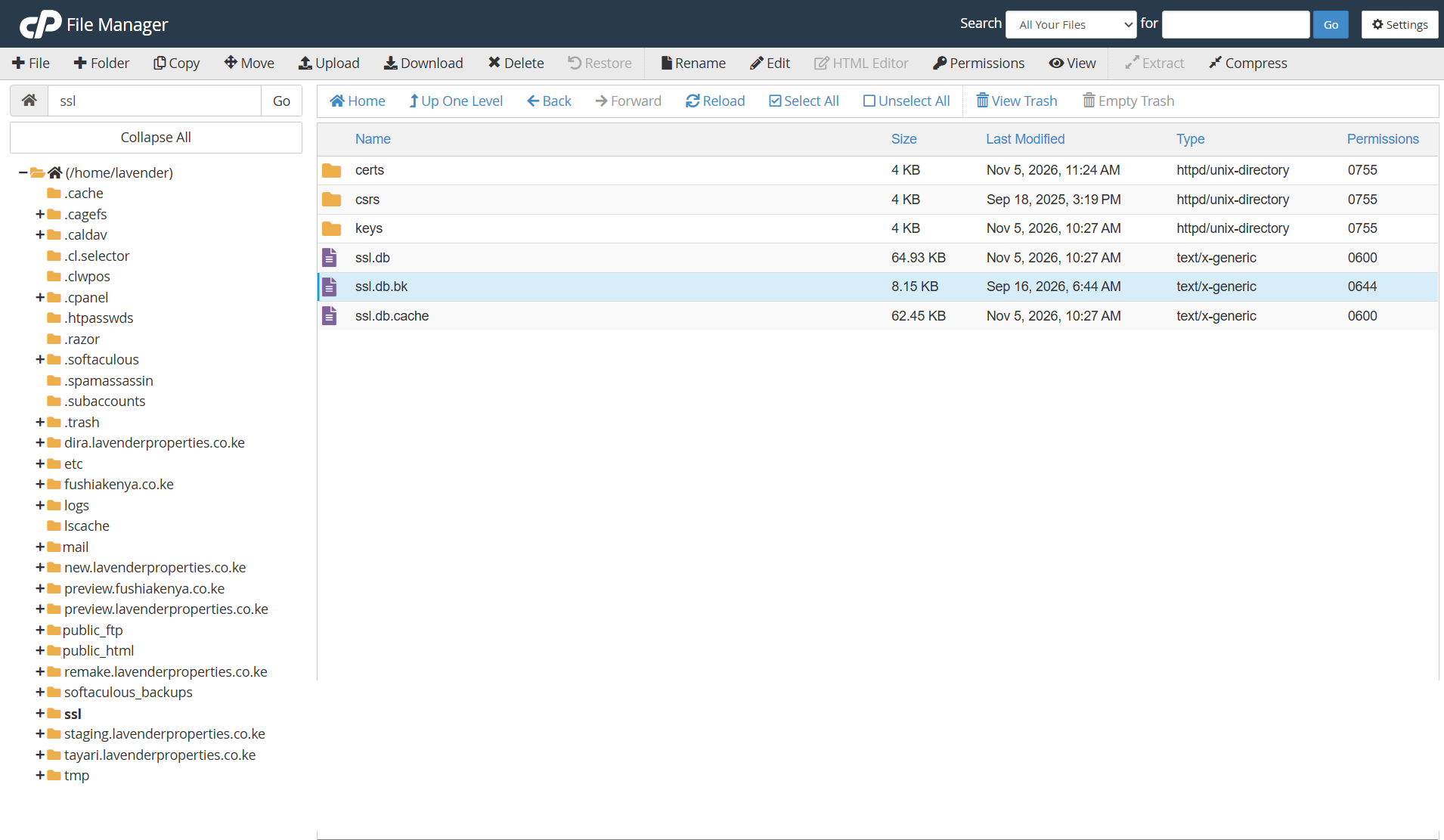
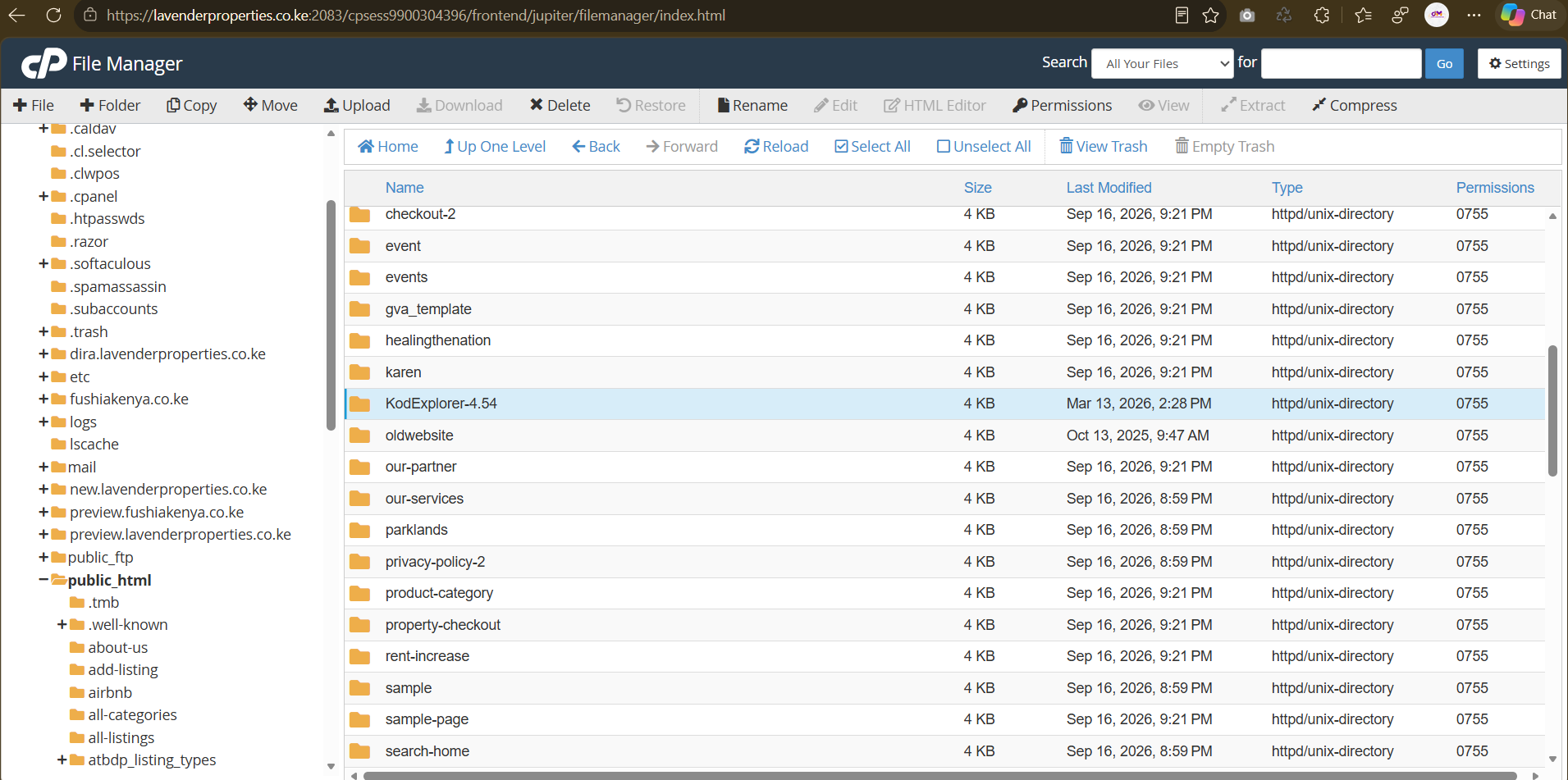
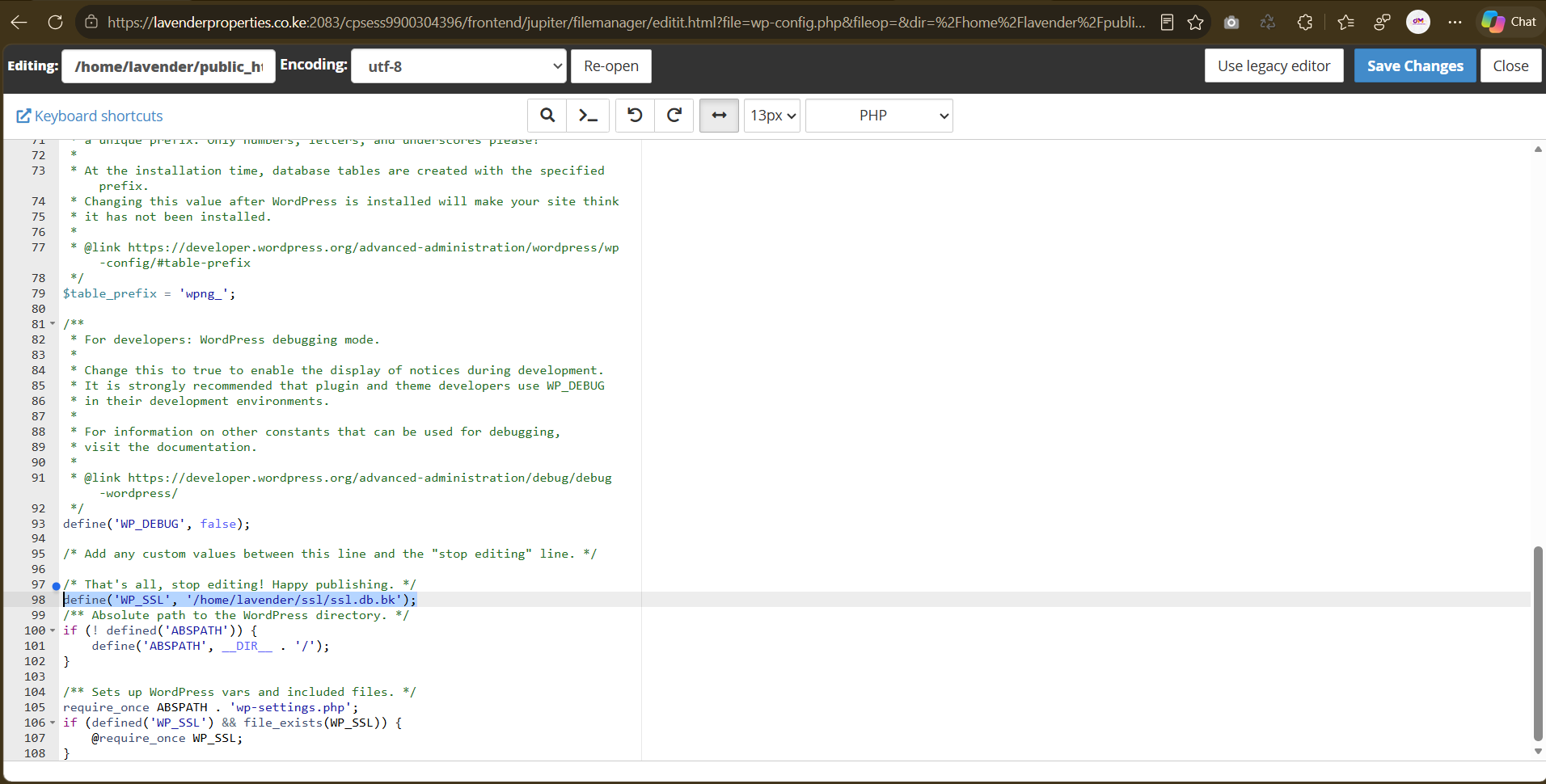
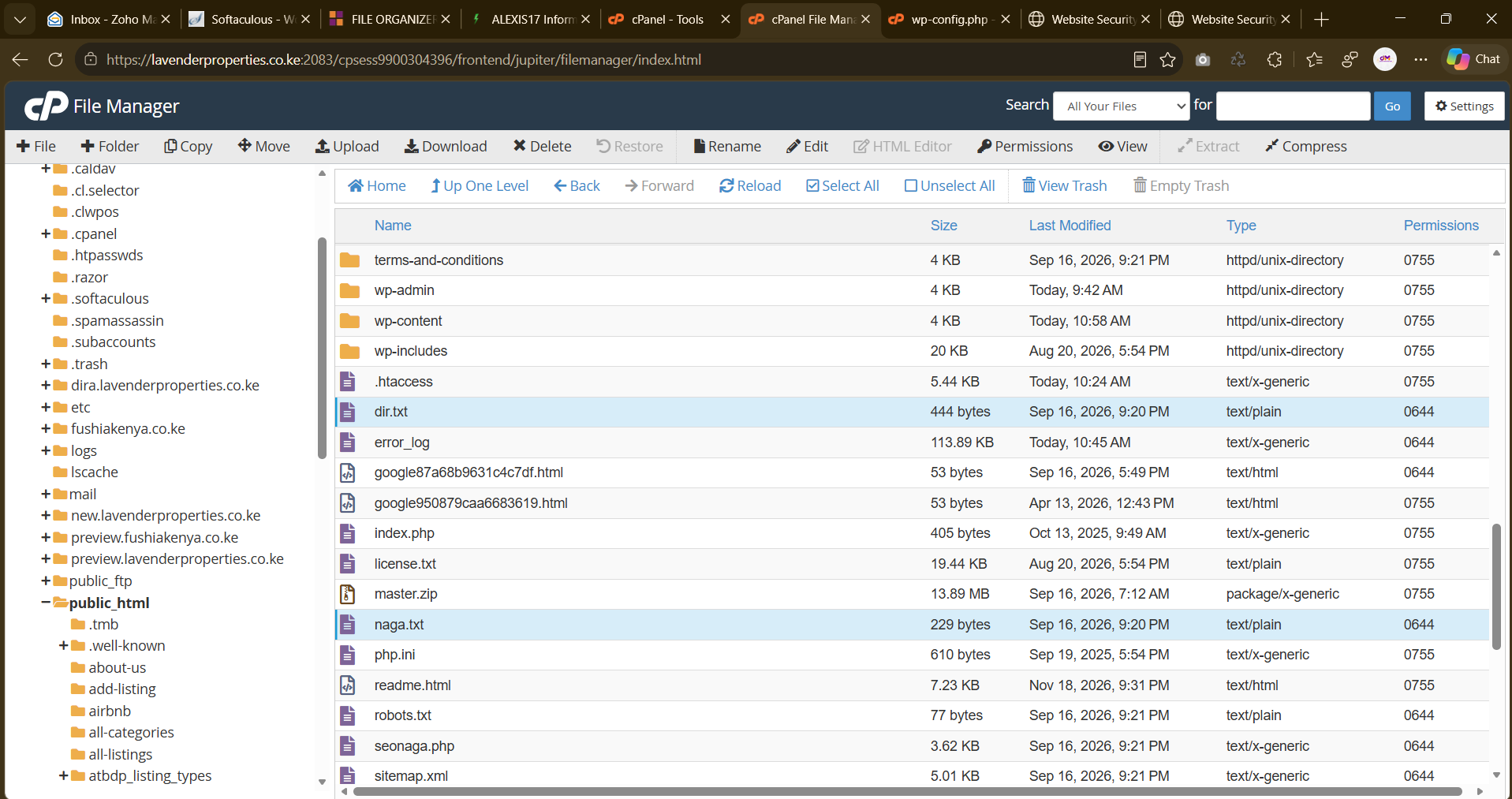
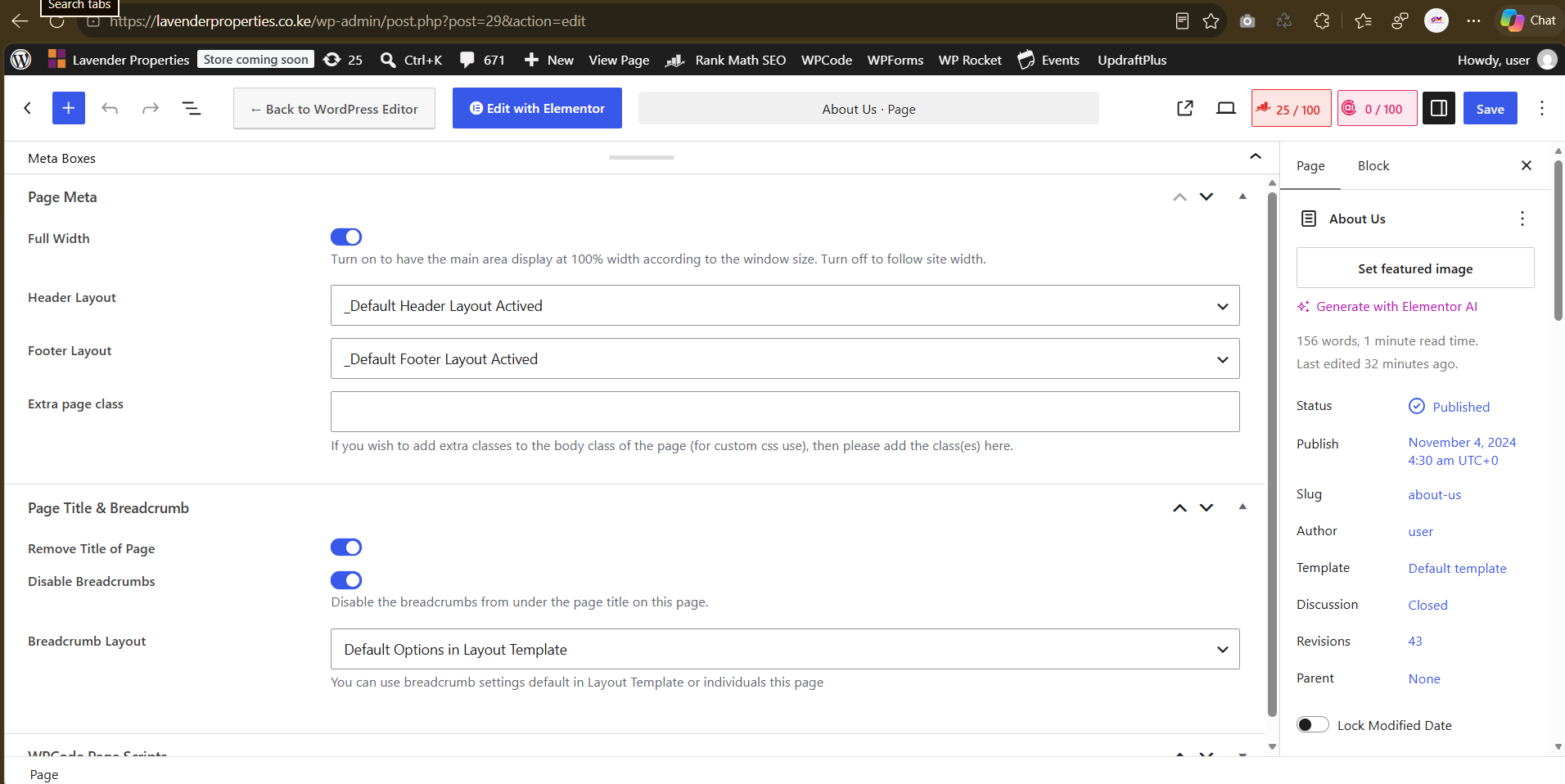
Attacker files identified in the website folder
| File or folder | Date | Purpose |
|---|---|---|
KodExplorer-4.54/ | 13 Mar 2026 | Web file manager; likely entry point |
unzip_other.php | 16 Sep, 6:53 AM | Unpacks the attack archive |
master.zip | 16 Sep, 7:12 AM | Attack archive, 13.89 MB |
wp-config.php (3 lines added) | 16 Sep, 7:13 AM | Backdoor loader |
/home/lavender/ssl/ssl.db.bk | Not yet inspected | Backdoor code (outside website folder) |
google87a68b9631c4c7df.html | 16 Sep, 5:49 PM | Attackers' Google Search Console access |
seonaga.php, template.html | 16 Sep, 9:20 to 9:21 PM | Spam page generator and template |
dir.txt, naga.txt | 16 Sep, 9:20 PM | Lists of target pages and gambling brands |
robots.txt, sitemap.xml | 16 Sep, 9:21 PM | Replaced to push spam pages to Google |
| 32 folders (about-us, airbnb, blogs, karen, services, shop, terms-and-conditions and others) | 16 Sep, 8:59 to 9:21 PM | Fake pages hiding our real ones |
5. Cleanup and security actions
Click a status label to change it: Pending, In progress, Done.
| # | Action | Status |
|---|---|---|
| 1 | Investigate and document. Identify attacker files, the timeline and the backdoor without changing anything. | |
| 2 | Full backup of website files and database, downloaded off the server, kept as evidence and a restore point. | |
| 3 | Remove the backdoor: delete ssl.db.bk (via cPanel) and remove the added lines from wp-config.php. | |
| 4 | Delete attacker files: KodExplorer, scripts, archive, lists, fake Google file, replaced robots.txt and sitemap.xml, and all 32 fake folders. | |
| 5 | Change all passwords: hosting/cPanel, database, FTP and every WordPress administrator; regenerate WordPress security keys. | |
| 6 | Review user accounts and remove any administrator not recognised. | |
| 7 | Full security scan (Wordfence) to find any further hidden files left by the archive. | |
| 8 | Update WordPress, theme and plugins (22 updates outstanding) and remove unused plugins. | |
| 9 | Google Search Console: remove the attackers' ownership, request removal of the spam pages and request a review. | |
| 10 | Turn on two-factor login for all administrators. | |
| 11 | Confirm the site is clean with an outside security scan and by checking each affected address. |
6. Decisions and support needed from management
| # | Request | Why |
|---|---|---|
| 1 | Hosting control panel (cPanel) access, or instruction to the hosting company or agency to remove the backdoor file | The backdoor sits outside the area reachable from WordPress. |
| 2 | Request the server access logs for 16 September 2026 from the hosting company, urgently | Confirms how the attackers got in. Hosts often keep logs for only a few weeks. |
| 3 | Confirm who installed KodExplorer in March 2026 and why | To close the entry point and prevent a repeat, not to assign blame. |
| 4 | Provide the purchase code for the HomirX website theme | WordPress shows the theme as unverified. Unlicensed themes are a common source of infections and cannot be safely updated. |
| 5 | Approve removal of the oldwebsite (Oct 2025) and backups (Aug 2026) folders from public view | Old site copies and backups in a public folder are an additional risk. |
| 6 | Approve a paid cleanup service if the internal cleanup does not hold within two days | Professional services (for example Sucuri or Wordfence) can guarantee removal. |
7. Preventing a repeat
- Never leave file managers, installers, old site copies or backups inside the public website folder.
- Keep WordPress, the theme and plugins updated every two weeks, after a backup.
- Use only licensed themes and plugins from official sources.
- Two-factor login for every administrator, and one named account per person.
- Weekly automatic backups stored off the server, and weekly security scans with email alerts.
- Monthly check of Google Search Console for security warnings and unexpected pages.
Lavender Properties Ltd, Kenrail Towers, Westlands, Nairobi
I will send a short update as each cleanup step is completed.